
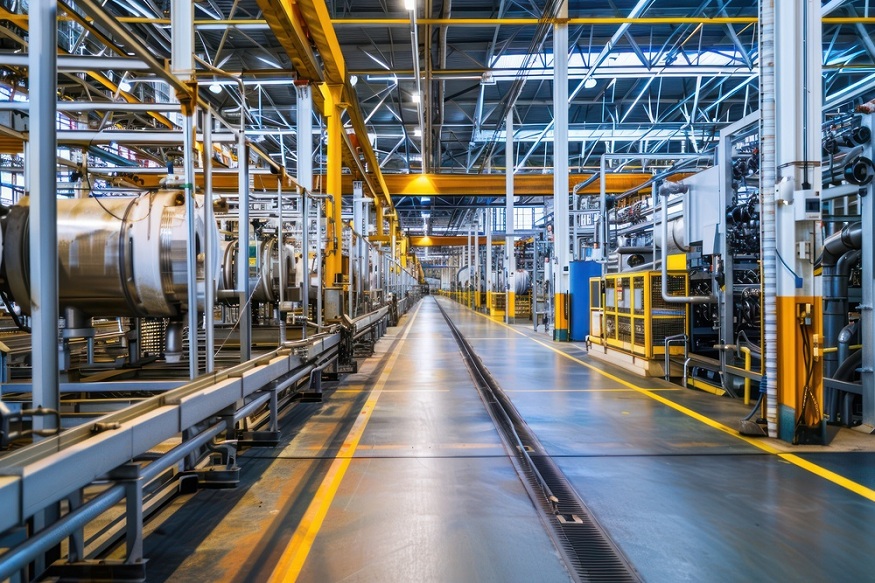
Walk into any factory and you’ll hear it right away. That constant rhythm of machines working, products moving, workers shouting over the noise. Somewhere in all that controlled chaos, adhesives quietly do their job. They hold circuit boards together. They seal car windows and they bond labels to bottles. But factory floors today run nothing like they did twenty years ago, and the glues keeping everything together have had to change too.
The Speed Challenge
Production lines scream along these days. A bottling plant might fill two thousand containers every sixty seconds. Each label needs to stick perfectly, right now, no waiting around. Then there’s temperature. Morning shift starts with equipment stone cold from sitting all night. By lunch, those same machines could fry an egg. Some plastic factories use extruders at temperatures high enough to melt aluminum. The manufactured products could be kept in an unheated warehouse. A place where January temperatures would cause water bottles to freeze solid. Standard adhesives lose their effectiveness when subjected to these kinds of temperature changes. They break, come apart, or become sticky.
Beyond Basic Bonding
Sticking two things together sounds simple enough. But modern adhesives play multiple roles at once. Take your smartphone. The adhesive holding the screen in place also blocks water from getting inside. It cushions against drops. Some adhesives even help spread heat away from the processor.
Cars tell a similar story. Open any car door and you’ll find adhesives doing ten different jobs. The stuff holding trim pieces blocks road noise too. The goop sealing headlights keeps them fog-free for fifteen years. Different spots need different properties and mixing them up spells trouble. Incorrect windshield adhesive? That could lead to a lawsuit.
The Environmental Factor
Green manufacturing isn’t optional anymore. Countries keep tightening rules about what factories can dump into air and water. Customers actually check where products come from. They also check how they’re made. This pushes manufacturers to rethink everything. This includes adhesives.
The old solvent-based stuff worked great but smelled awful and made workers sick. Newer water-based options do the job without the toxic fumes. Companies like Trecora now produce hot melt adhesives that set in seconds with no solvents at all. Factory workers appreciate breathing cleaner air. Companies avoid hefty fines for pollution violations. Everyone wins.
Testing Under Fire
You wouldn’t believe what adhesive samples go through before approval. Testing labs beat the hell out of them. Freeze-thaw cycles running nonstop for weeks. Chemical baths that would dissolve your skin. UV lamps cranked up to simulate fifty years of sunlight in a month. Specialized industries go even crazier with testing. Spacecraft adhesives get blasted with radiation levels that would kill a person in minutes. Submarine parts face pressure that would crush a car flat. Medical adhesives withstand autoclave sterilization temperatures. Engineering progresses by identifying what doesn’t work.
The Cost Equation
Good adhesives cost more. No getting around that fact. Cheap adhesives cost way more in the long run. One bad batch that causes products to fall apart? There goes your quarterly profit. Fast-setting adhesives save money too, though it’s less obvious. Shave five seconds off each product’s assembly time. Multiply that by thousands of units per day. Suddenly you’re looking at serious productivity gains.
Conclusion
Factories won’t slow down anytime soon. If anything, they will increase their focus on speed and quality. Not to mention efficiency. Adhesives must meet modern demands, enduring extreme temperatures, chemicals, and stress. The adhesives industry must innovate to survive. A discovery tomorrow could provide solutions to problems we haven’t yet identified. When that difficulty emerges, rest assured that an adhesive capable of managing it is already in development.